
Orlando Trauma Therapist: What is Self-Compassion?
Written by: Lauren Daugherty Hahn, LMHC
Have you ever noticed how easy it is to be understanding toward others but incredibly hard on yourself?
Many people speak to themselves in ways they would never speak to a friend. Harsh self-criticism, guilt, and perfectionism can make it difficult to feel at peace, even when you’re doing your best.
This is where self-compassion comes in.
If you’ve been exploring topics like Secure Attachment, Anxious Attachment, or Avoidant Attachment, self-compassion is often a key part of healing those patterns.
What Is the Meaning of Self-Compassion?

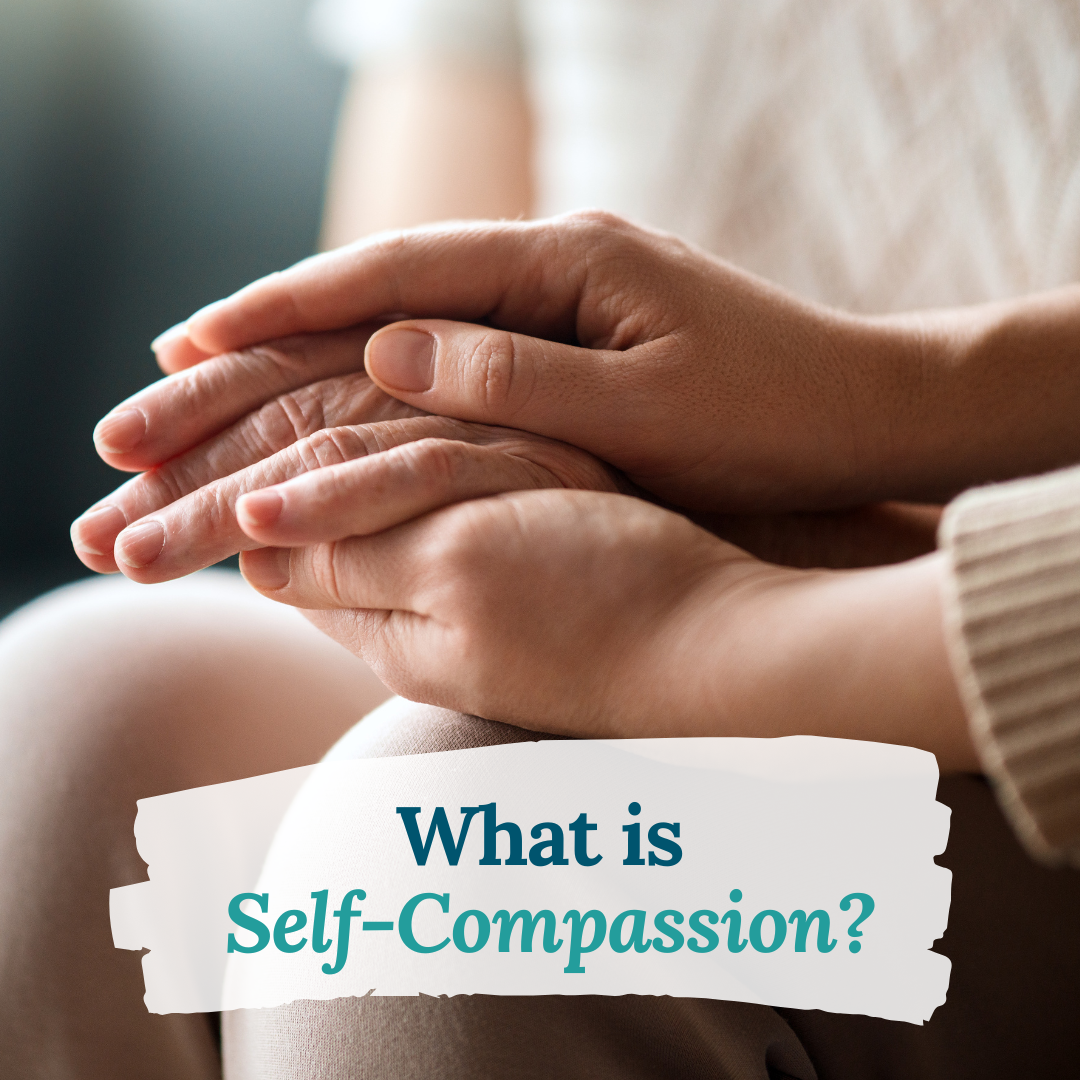
Self-compassion is the practice of treating yourself with the same kindness, understanding, and patience that you would offer someone you care about. It means responding to your own struggles with support rather than criticism.
Self-compassion involves recognizing your humanity and the inevitability of mistakes. It acknowledges that struggle is a universal human experience and encourages you to offer yourself care instead of judgment.
Instead of thinking, “What’s wrong with me?” Self-compassion sounds like, “This is hard, and I’m doing the best I can.”
What Causes a Lack of Self-Compassion?
For many people, self-compassion doesn’t come naturally. It is often shaped by early experiences and reinforced over time.
You may struggle with self-compassion if you were taught that:
Being hard on yourself leads to success
Emotions should be ignored or suppressed
Mistakes are something to be ashamed of
Your needs were less important than others
These patterns are often connected to attachment styles.
For example:
Individuals with anxious attachment may become highly self-critical and fear not being “enough.”
Individuals with avoidant attachment may disconnect from their emotions altogether
Over time, these experiences can shape how you relate to yourself and others, as explored in how attachment styles impact relationships.
Why Is Self-Compassion So Important?

Self-compassion creates a foundation for emotional well-being and healthier relationships. Without it, it’s easy to get stuck in cycles of self-criticism, anxiety, or emotional disconnection.
Self-compassion can help reduce anxiety and emotional overwhelm, improve emotional regulation, and increase resilience during stress. It also strengthens relationships and supports healing from past experiences.
I believe it also plays an important role in developing secure attachment, where relationships feel more stable, balanced, and emotionally safe. When you feel safer with yourself, it becomes easier to feel safe with others.
How Do You Practice Self-Compassion?
Developing self-compassion is a gradual process. Small changes in how you respond to yourself can create meaningful shifts over time.
1. Notice Your Inner Voice
Pay attention to how you speak to yourself, especially during difficult moments. Ask yourself: “Would I say this to someone I care about?” I recommend reading 10 Steps to Turn Your Inner Critic Into Your Friend.
2. Practice Gentle Self-Talk
Replace harsh criticism with more supportive language. Instead of: “I messed everything up.” Try: “That didn’t go how I hoped, but I can learn from this.”
3. Allow Yourself to Feel
Self-compassion includes making space for your emotions rather than avoiding them. Practices like 51 grounding techniques can help you stay present and regulated.
4. Treat Yourself With Care
Think about what you need during difficult moments. This may include rest, taking a break, reaching out for support, and setting boundaries. If boundaries feel challenging, learning how to set boundaries can be a helpful place to start.
How Orlando Trauma Therapy Can Help
If self-compassion feels difficult, you’re not alone. These patterns are often deeply ingrained and can take time to shift.
Therapy can help you:

Understand where self-criticism comes from
Process underlying emotions
Build a more supportive internal dialogue
Develop healthier relationship patterns
Self-compassion is not about being perfect; it’s about being supportive of yourself through both the easy and difficult moments.
With time and practice, it’s possible to move away from self-criticism and toward a more balanced, understanding relationship with yourself.
How an Orlando Trauma Therapist Help?
At Mindful Living Counseling, our therapists help individuals develop self-compassion, improve emotional well-being, and build healthier relationships. If you’d like support, we invite you to reach out to learn more or schedule a consultation.
Additional Trauma Therapist Resources
Orlando Attachment Therapist Explains Anxious Attachment
Orlando Attachment Therapist: What is Secure Attachment?
Orlando Attachment Therapist Explains Anxious Attachment
How to Set Boundaries: 5 Simple Steps That Actually Work
51 Grounding Techniques to Help You Feel Grounded Now
4 Qualities of a Healthy Relationship
Is Arguing Healthy in a Relationship? Insights from an Orlando Therapist
Other Trauma Therapy Services Offered at Mindful Living Counseling in Orlando
At Mindful Living Counseling, we recognize that overcoming trauma can be a difficult obstacle to overcome trauma, but we understand that there may be other challenges as well. That's why we provide a range of therapy services, such as Anxiety therapy, EMDR therapy, Eating Disorder Therapy,Divorce Therapy,Parenting Therapy, and Teen Therapy, as well as Guided Meditations. If you have any inquiries, don't hesitate to contact us.

Attachment Therapist Lauran Daugherty Hahn
Lauran Daugherty Hahn, LMHC, is a licensed therapist based, specializing in helping individuals cope with anxiety, attachment issues, and recovery from toxic relationships. Lauran is also a certified EMDR therapist and an EMDRIA-approved EMDR consultant. She is currently accepting new clients!