
How to Regulate Your Nervous System When You Feel Anxious
Written By: Mindful Living Counseling Staff
Have you ever had one of those moments when you know you're okay, but your body doesn't seem to get the message?
All of a sudden, you notice that your heart is racing, your chest feels tight, your palms are sweaty, and your thoughts are moving a mile a minute. You start to feel restless, overwhelmed, or like you need to do something to make the feeling go away. So you find yourself thinking, Why am I so anxious? Nothing is even happening. This is where your nervous system comes in.
When we experience anxiety, our nervous system can respond as though we are in danger, even when there isn't an immediate threat; instead, your body is simply trying to protect you. Learning how to regulate your nervous system isn't about getting rid of anxiety completely. Anxiety is a normal human emotion, and trying to eliminate every uncomfortable feeling can actually make anxiety stronger.
As an anxiety therapist in Orlando, I help my clients understand that nervous system regulation is about helping your body feel safe enough to slow down, reconnect with the present moment, and respond to what's happening rather than reacting immediately.
What Happens to Your Nervous System When You're Anxious?

Anxiety isn't just something that happens in your thoughts; you feel it in your body, too. Your brain may perceive a threat, and your nervous system can activate your fight-or-flight response. So your heart may beat faster, your breathing may change, your muscles may tense, and your attention may become focused on finding the problem.
This can happen even when the "threat" isn't something physical. Instead, it could be you waiting for someone to text you back, you have an upcoming conversation that you're nervous about, you made a mistake at work and can't stop thinking about it, or you woke up feeling on edge and don't know why.
Our nervous system doesn't always distinguish between a real immediate danger and a thought about something that could happen, and once your body is activated, your thoughts will follow. So you will start overthinking, looking for reassurance, checking your phone, replaying conversations, or imagining every possible worst-case scenario.
This creates a cycle: Anxiety → physical sensations → anxious thoughts → more anxiety → more physical sensations.
What are Signs That My Nervous System is Dysregulated?
This repeated cycle of anxiety can leave your nervous system feeling like it is constantly “on.” Over time, you may begin to notice signs that your nervous system is having difficulty returning to a calm, regulated state. A dysregulated nervous system occurs when your body’s stress response remains in a heightened or shutdown state, making it harder to feel calm, safe, and balanced. This can happen when you move outside your window of tolerance, the range where you feel able to cope with everyday stress and emotions. You may notice this dysregulation showing up in both your thoughts and your body, such as:
You feel "on edge" much of the time: You feel like you're waiting for something to go wrong, even when things are going well.
Small things feel much bigger than they normally would: A minor inconvenience, change in plans, or difficult conversation feels overwhelming.
You have trouble relaxing: Even when you have time to rest, your mind or body doesn't seem to know how to slow down.
You experience racing or repetitive thoughts: You may find yourself overthinking conversations, worrying about the future, or constantly trying to solve problems that haven't happened yet.
You feel physically tense: You might notice tight shoulders, a clenched jaw, restlessness, changes in breathing, or difficulty sitting still.
You feel exhausted but can't seem to slow down: Your body may be tired while your mind continues running.
You shut down or feel disconnected: Dysregulation doesn't always look like anxiety. Sometimes it can look like numbness, withdrawal, difficulty concentrating, or feeling detached.
5 Ways to Support Your Nervous System
1. Practice The Box Breathing Technique
When you're anxious, your breathing may become faster or more shallow without you even realizing it. Rather than forcing yourself to take a huge deep breath, try slowing your breathing down and making your exhale a little longer than your inhale. The goal isn't to perform the "perfect" breathing exercise; instead, give your body a signal that you are in control and you can slow down.
Box Breathing is a technique I teach my clients because it helps slow down your breathing patterns, which naturally down-regulates the nervous system. The focus on counting and breathing offers a grounding effect because it creates a distraction from worrisome thoughts.

2. Learn The 5-4-3-2-1 Grounding Method
Grounding can be especially helpful when anxiety makes you feel disconnected from the present moment. The 5-4-3-2-1 Grounding Method is one of my favorite techniques because it’s easy to remember and is always available to you. It will remind your brain, I am here. I am safe in this moment.
3. Move Your Body
Anxiety can create a lot of energy in the body, so instead of sitting still and trying to think your way out of it, try moving your body. If you are able, go on a short walk outside where you can breathe in fresh air. If you aren’t able to make it outside, set a five-minute timer and stretch or play your favorite song and dance around the room! A simple shake-out of your arms and legs or doing something that feels natural to you can give your body a way to process some of that activation rather than keeping all of it bottled up.
4. Connect With Someone You Trust
It’s normal to think that anxiety regulation is something we have to do on our own, but that’s not entirely true; humans are wired for connection. I believe that talking to someone you trust, your therapist, sitting with a supportive person or friend, or simply being around someone who makes you feel safe can help you feel more grounded. This is called co-regulation: the idea that our nervous systems are influenced by the people and environments around us. Sometimes you don't need someone to fix the problem; you just need someone to sit with you while your body remembers that you aren't alone.
5. Allow Yourself to Feel Uncomfortable
This one can be the hardest because we become so focused on getting rid of anxiety that we accidentally teach our brains that anxiety itself is dangerous. Every time you feel anxious, you immediately check, avoid, seek reassurance, or try to make the feeling disappear. And your brain learns: Anxiety = something I need to escape. Instead, you can practice saying: "I don't like this feeling, but I can handle it." "I can feel anxious and still be okay." "I don't need to figure everything out right now." Regulation doesn't always mean feeling calm. Sometimes regulation means being able to experience discomfort without immediately reacting to it.
How Anxiety Therapy Can Help
If you find yourself constantly overthinking, seeking reassurance, avoiding situations, worrying about what other people think, or feeling like you're always waiting for something bad to happen, there may be more underneath your anxiety than simply needing another coping skill. Sometimes anxiety is connected to attachment style, past experiences, chronic stress, perfectionism, people-pleasing, or experiences that taught you that you need to stay alert to feel safe.
This is when I recommend therapy because therapy isn't about teaching you how to never feel anxious again. It's about helping you understand your anxiety, recognize your patterns, develop tools that actually work for you, and build more trust in your ability to handle difficult emotions. You don't have to wait until anxiety becomes unbearable to ask for support.
Anxiety Therapy Orlando Resources
An Anxiety Therapist Shares Everything You Need to Know About Anxiety
Orlando Therapist: Understanding Your Attachment Style
Orlando Attachment Therapist Explains Anxious Attachment
Anxious Attachment in Friendships: Insights From an Orlando Attachment Therapist
Trauma Therapist: Understanding the Window of Tolerance
Therapy Services Offered at Mindful Living Counseling in Orlando
We are happy to share that Mindful Living Counseling offers a range of therapy services, including
About Anxiety Therapist: Lauran Daughtery, LMHC
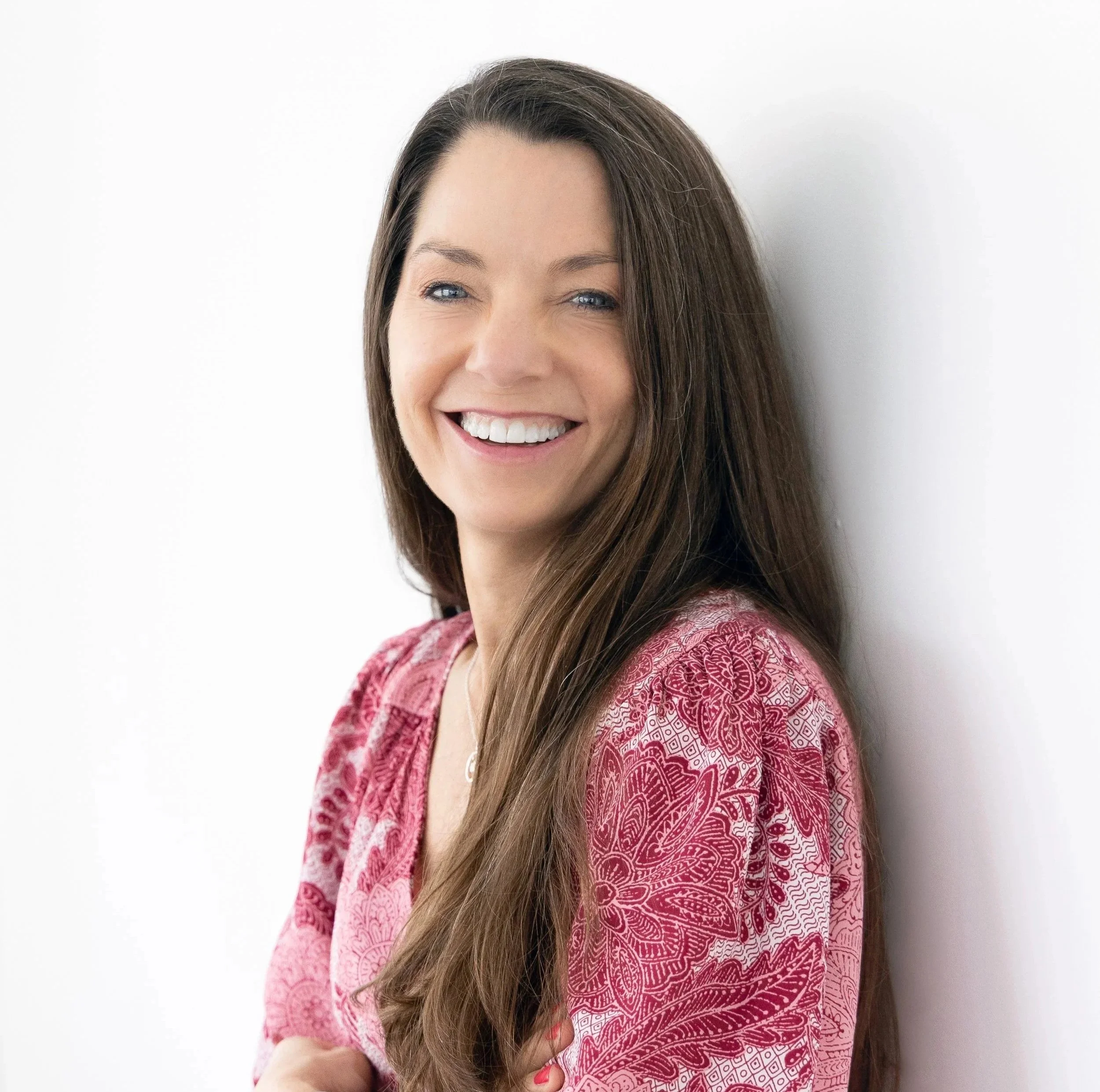
Lauran Daugherty, LMHC, is a licensed therapist at Mindful Living Counseling who specializes in helping individuals cope with anxiety, attachment issues, and recovery from toxic relationships.
Lauran is a certified EMDR therapist and an EMDRIA-approved consultant, and she is currently accepting new clients for EMDR intensives! She provides both in-person therapy in Orlando and online therapy throughout Florida, offering a supportive space for clients who are ready to feel less stuck in anxiety and more present in their daily lives.