
Orlando Therapist: Understanding Your Attachment Style
Updated April 2026
Written by: Lauran Daugherty Hahn, LMHC
"Why, oh why, do I keep going back? I know this relationship is toxic, and I keep going back!” These words or some other closely related sentiment bounce off the walls during attachment therapy at least once a month.
Or when a relationship ends, “My ex is a total jerk! Why do I keep picking jerks?”
As an attachment therapist providing counseling in Orlando, sometimes in couples counseling, I hear, “It always ends up this way! She walls off and stops talking, and I end up exploding, and nothing gets resolved. It’s like we can’t even communicate.” Relationship patterns can very often leave us feeling baffled, at best, and downright powerless and ashamed, at worst.
First, let’s all just take a deep breath. B.I.G. inhale, and even B.I.G.G.E.R exhale, ahhhh.
Rutted relationship patterns are really hard stuff, y’all. They can be crazy making and feel like an emotional roller coaster, much like riding a train through crazy town with no way to get off the damn train.
If you notice yourself in a relationship pattern that has you baffled, it is very likely that you have unresolved early attachment trauma or wounding. Let me take a moment to explore what I mean by this. Whether you are breaking up, going through a divorce, or seeking couples counseling or marriage counseling, understanding your relationship patterns helps demystify things.
What is Attachment?
When it comes to attachment, we are looking at the assumptions we make about ourselves, others, and relationships. Some questions you can start to ask yourself to uncover your attachment beliefs are:
Do you believe you are worthy of love? Do you expect others to be there for you? Do you believe relationships are safe?
If the shit hit the fan when you were a kid, it is possible that you have Insecure Attachment, which can create some challenges to overcome in romantic relationships. Please notice, I said, “challenges to overcome,” not barriers or roadblocks.
What is Insecure Attachment?
Adults who have Insecure Attachment very likely had difficult relationships with their primary caregivers. At best, these folks have “attachment wounding,” which means their parents could have been a bit self-preoccupied, not attuning to the child’s emotional needs. Or possibly a bit too controlling, not giving the child much opportunity to be independent. Or at worst, these folks experienced “attachment trauma” where parents were physically or emotionally abusive or neglectful.
There are myriad other experiences that can cause Insecure Attachment, as well. There could have been the death of a parent, a sickness, or something else that created a big shift in the family system.
There are 3 types of insecure attachment that I will take a moment to explain.
What is Anxious Attachment?
In adult relationships, people with an anxious attachment style tend to become very focused on their partner, and that may look like calling, texting, showing affection, or in some way staying connected. When that connection feels inconsistent or missing, it can create a lot of anxiety and fear around being abandoned, and for some, it even shows up physically in the body. These individuals often rely on connection to help regulate their nervous system and feel safe.
At the core, there are usually beliefs like, “I’m not worthy of love,” or “If I can get you to love me, maybe then I’ll feel enough,” along with a sense that relationships aren’t fully safe or predictable. Many of these patterns can be traced back to childhood experiences where emotional needs weren’t consistently met, leaving them longing for attention and reassurance (you can read more about how this shows up in my blog, Daddy Issues. Because of this, they may learn to seek validation and self-worth from external sources, such as appearance, people-pleasing, or other behaviors that help them feel noticed and valued.
What is Avoidant Attachment?
The second insecure attachment is avoidant attachment. People with an avoidant attachment style are often comfortable being on their own and may not feel a strong need for close connection in relationships. When they are in a relationship, they tend to keep emotional distance and put up walls to protect themselves from vulnerability. Intimacy, closeness, and consistent connection can feel overwhelming, so they might go long periods without calling, texting, or showing physical affection and feel completely okay with that.
When partnered with someone who craves more closeness, they can become flooded or overwhelmed, leading them to shut down or pull away emotionally or physically. Underneath this is often a belief system like, “I am worthy of love, but others are not trustworthy,” or “Relationships are not safe.” These patterns commonly develop in childhood environments where caregivers were overbearing, controlling, or critical, and where there wasn’t much room for independence, self-expression, or privacy. As a result, they learned to cope by withdrawing, becoming self-reliant, and disconnecting from their emotional needs and from others.
What is Disorganized Attachment?
For those who fall into this category, relationships can feel especially confusing and overwhelming. They often struggle to find safe, stable partners and may find themselves in unhealthy or unpredictable dynamics. There can be a push-pull pattern in relationships, wanting closeness and connection, then suddenly needing distance when it starts to feel like too much. Emotions can feel intense and hard to regulate, sometimes showing up as anger, shutdown, or depressive symptoms, learn more about this blog on 6 Steps to Effective Communication.
At the core, there are often beliefs like, “I am not lovable,” “You are not safe,” and “Relationships are not safe.” These patterns are commonly rooted in early experiences where caregivers were physically, emotionally, or sexually abusive, creating a painful internal conflict: “I need this person to survive” while also feeling “this person is not safe.” That kind of confusion can be deeply disorienting for a child and often carries into adulthood. As a result, some people avoid relationships altogether, while others move in and out between craving connection and pulling away to protect themselves.
What is Secure Attachment?
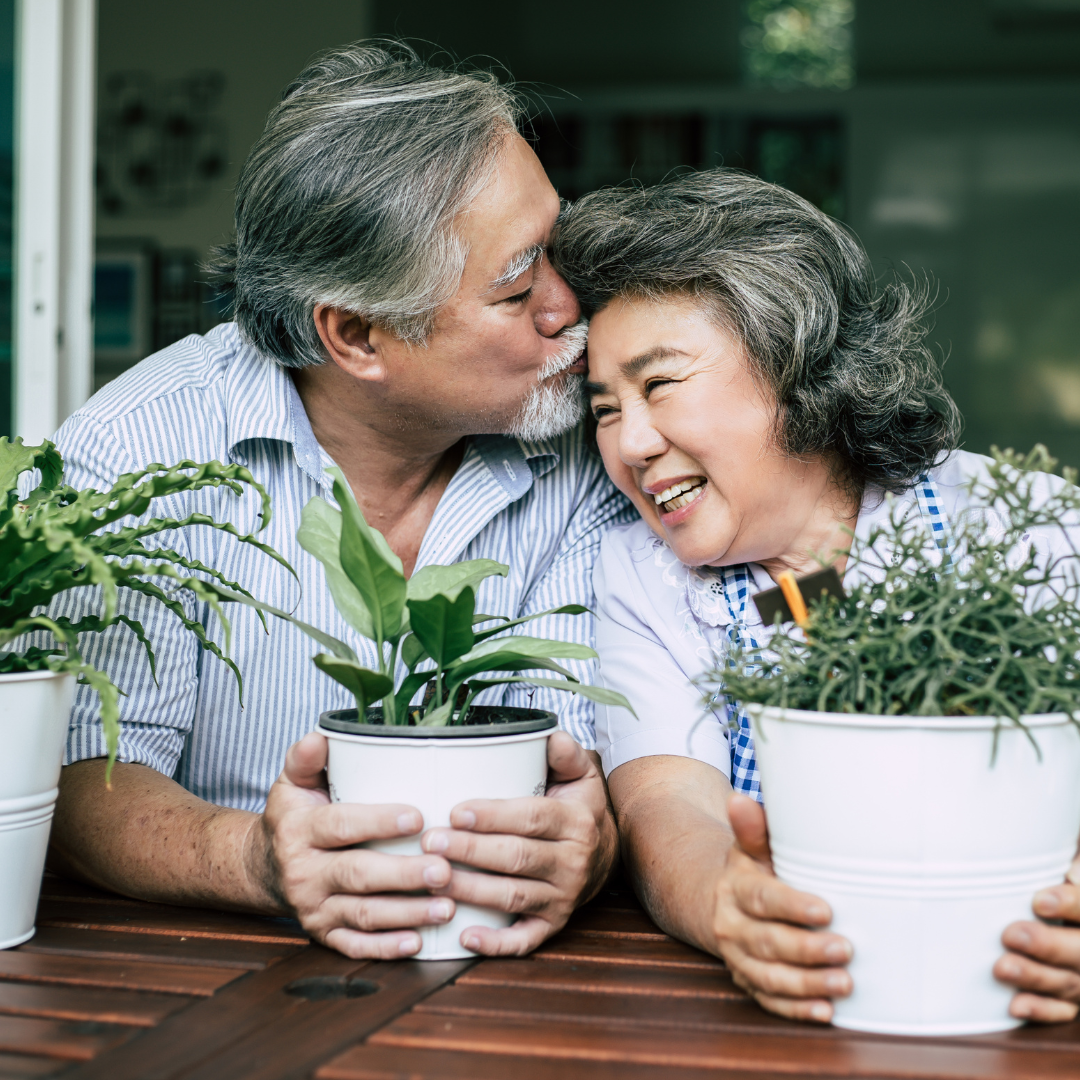
Individuals with a secure attachment style tend to feel relatively steady and predictable in their adult romantic relationships. They are generally comfortable with closeness and connection, but also comfortable with space, and they don’t tend to panic or assume the worst when a partner doesn’t respond right away. Instead of spiraling into anxiety or pulling away, they’re able to trust in the stability of the relationship. These individuals often hold beliefs such as “I am worthy of love,” “You are trustworthy,” and “Relationships are safe.” As a result, they tend to choose partners and build dynamics that reinforce these expectations, leading to more secure and stable relationships overall. Many people with secure attachment grew up with caregivers who were consistently responsive to their emotional and physical needs, while also allowing room for independence, mistakes, and growth without excessive criticism or control.
And if you’re reading this and noticing yourself more in the insecure attachment patterns, there is no need to panic. Attachment is not fixed, and through what’s often called earned secure attachment, it’s absolutely possible to heal old relational wounds and shift into healthier, more grounded, and deeply connected relationships over time.
Earned Secure Attachment
Earned secure attachment can happen in several ways.
It can occur by happenstance, where you organically find your way to a healthy partner, and through this relationship, you are offered a corrective experience. In this healthy relationship, you learn that you are lovable and worthy of love because your partner treats you with respect, encourages you, and supports you during times of stress. You learn that others are trustworthy because your partner shows up for you consistently. And you learn that relationships are safe because your partner allows you to make mistakes without criticizing or belittling. All of these experiences in an adult romantic relationship allow the person with insecure attachment to unlearn the previous limiting beliefs and adopt the new adaptive and healthy relational beliefs.
Earned secure attachment can also happen for a couple that during couples counseling or marriage counseling with a qualified therapist. In session, the couple learns how to participate in the healing of each other’s attachment wounds. It’s helpful to understand each other’s attachment styles and how they impact difficult relational patterns. The therapist can help the couple create an emotionally safe environment for healing to occur, creating a deeply emotional and intimate partnership.
Earned secure attachment can also happen through working with a well attuned relationship counselor, one that honors your boundary style, communication needs, and helps you regulate your nervous system in session. All of these things are actually done within the ebb and flow of the relationship. It is a sense you get from your therapist, a feeling of, “this person really gets me.”
What is my Attachment Style?
Most people can start to identify their attachment style by looking at how they think, feel, and behave in their relationships. Do you find yourself needing a lot of reassurance and worrying about being abandoned? Do you tend to shut down or pull away when things get too close? Or does it feel like a mix of wanting connection and feeling overwhelmed by it?
Paying attention to your patterns, your core beliefs about yourself and others, and how you respond to conflict or distance in relationships can give you a lot of insight. It can also be helpful to look at your early experiences with caregivers and how those dynamics may still be showing up today. And if you’re not quite sure, working with an attachment therapist can help you explore these patterns more deeply and start making sense of your attachment style in a supportive, guided way.
Interested in Your Attachment Style?
Our therapists help individuals explore attachment patterns, heal emotional wounds, and build stronger, more secure relationships. If you’d like support on this, we invite you to reach out to learn more or schedule a consultation.
Additional Attachment Therapy Resources
Anxious Attachment in Friendships: Insights From an Orlando Attachment Therapist
Orlando Trauma Therapist Shares: What's Behind "Daddy Issues"
Orlando Attachment Therapist: What is Avoidant Attachment?
Orlando Attachment Therapist Explains Anxious Attachment
How to Set Boundaries: 5 Simple Steps That Actually Work
4 Qualities of a Healthy Relationship
Is Arguing Healthy in a Relationship? Insights from an Orlando Therapist
Other Trauma Therapy Services Offered at Mindful Living Counseling in Orlando
At Mindful Living Counseling, we understand that your attachment style can be challenging. We offer a variety of therapy services, including anxiety therapy, EMDR therapy,Eating Disorder Therapy, Divorce Therapy,Parenting Therapy, and Teen Therapy, as well as guided meditations. If you have any questions, please don't hesitate to reach out to us.

Attachment Therapist Lauran Daugherty Hahn, LMHC
Lauran Daugherty Hahn, LMHC, is a licensed therapist who specializes in helping individuals cope with anxiety, attachment issues, and recovery from toxic relationships. She is a certified EMDR therapist and an EMDRIA-approved consultant. Currently, Lauran is accepting new clients for EMDR intensives.